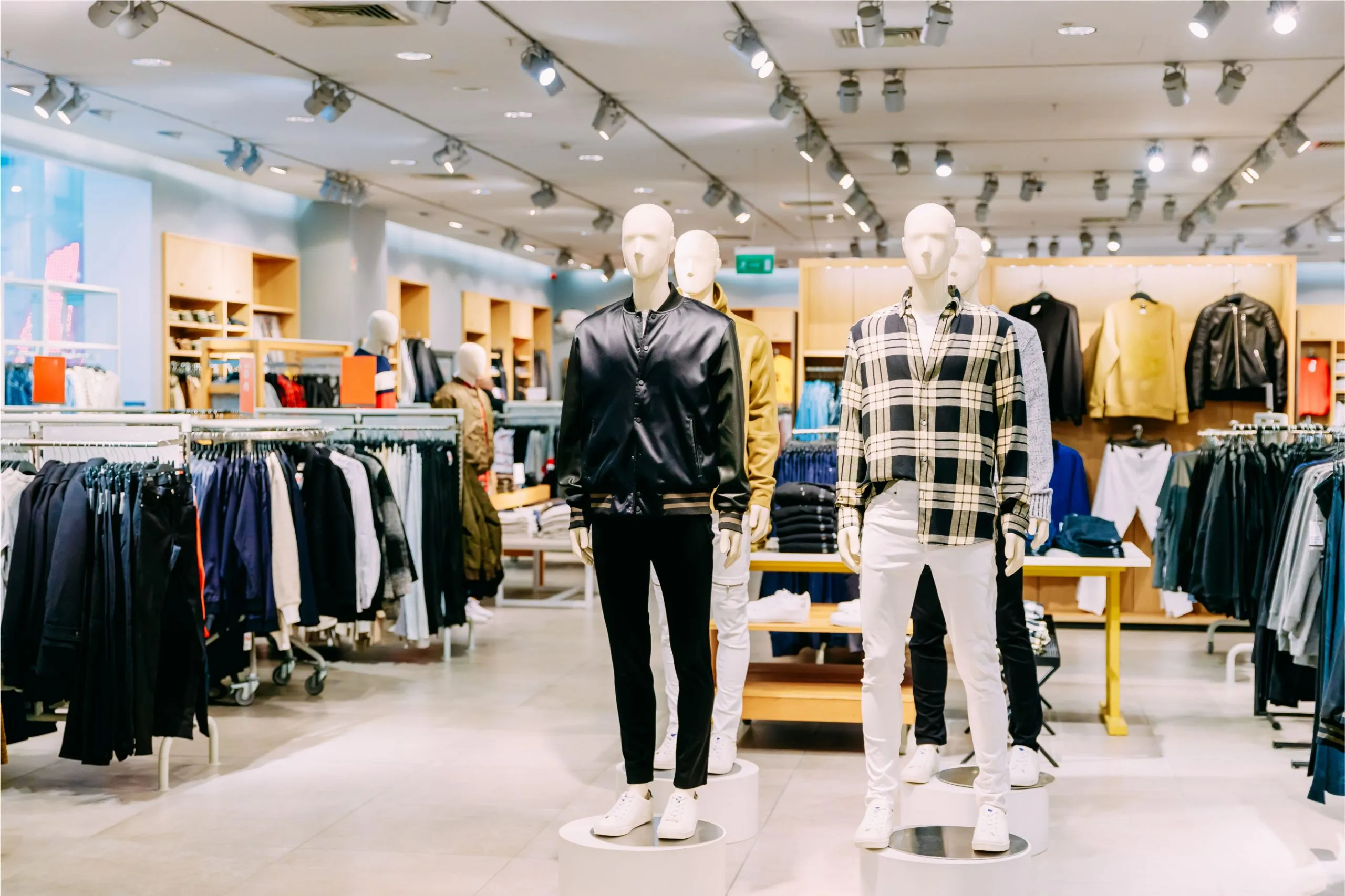
Retail store interior design influences how customers perceive, navigate, and make purchases in your space. Every detail, from the floor plan to lighting, guides their journey and affects sales. A smart layout directs foot traffic naturally, highlights your best products, and keeps your brand consistent in every corner.
This article shows you how to design for impact, share proven layouts, cover styles for different store types, and give budget-friendly upgrades. You’ll also learn mistakes to avoid and how experts like The Execution Lab create spaces that feel inviting, build trust, and turn first-time visitors into loyal customers who enjoy coming back.
You will also learn the core elements that make displays work, practical tips to improve them, and why hiring experts like The Execution Lab can help you create designs that align with your brand and deliver measurable results.
What Is Retail Store Interior Design & Why Does It Matter?
Retail store interior design is the strategic planning of layouts, displays, lighting, and colors to influence shopper behavior, boost sales, and reflect your brand identity. It’s backed by psychology; well-designed displays can raise sales by up to 540% and interactive elements lift engagement by 60%.
Beyond customer appeal, it improves staff productivity and gives you a competitive edge. With solutions like The Execution Lab, you can create interiors that tell your brand story and keep customers coming back.
Key Elements of a Successful Retail Interior Design
Store Layout & Flow Planning
Pick a shop layout design that suits your space, grid for order, loop for guided flow, or free-flow for exploration. Arrange aisles so customers move easily, see key products, and reach checkout without confusion. Use zones for new arrivals, sales, and high-demand areas. Accessible layouts widen your customer base.
Product Placement & Visual Zones
Place high-margin items at eye level; this spot sells best. Use themed displays, mannequins, and clear signs to draw attention. Correct shelf positioning can raise profit by up to 7 %.
Lighting That Highlights & Sells
Mix general, accent, and task lighting to make products stand out. Good lighting can lift sales by up to 40 %, and switching to LEDs in groceries has shown 19 % gains.
Wall Colors, Flooring, and Materials That Match Your Brand
Use colors linked to your brand; reds push urgency, blues build trust. Pick durable flooring and finishes that fit your style, whether modern concrete or warm wood. Keep materials consistent across the store for a clean look.
Use of Digital Screens and Interactive Elements
Screens can show promotions, product videos, or live stock info. Interactive tools like AR mirrors let customers try before they buy. The Execution Lab offers display modules that blend visuals with product info, keeping shoppers engaged without clutter.
Types of Retail Store Interior Design
Clothing & Apparel Stores
Use wide front zones for displays and mid-floor racks to guide customers inside. A storytelling wall behind checkout refreshes seasonal campaigns. Adjustable shelves and foldable tables make stock rotation quick and cost-efficient.
Cosmetic & Beauty Retail Outlets
Keep counters clean and organized by category, skincare, makeup, fragrance, to avoid shopper confusion. Match wall colors and uniforms to your brand. Shelf lighting boosts packaging appeal, and tester stands in mid-aisles invite trials without blocking entry.
Electronics & Mobile Stores
Place accessories near the entrance and high-value devices in dedicated experience zones. Use glare-free LED lighting to prevent screen reflections, and sound-dampening panels for quiet demo areas.
Jewelry Showrooms
Guide visitors through high-value pieces first, then mid-range collections. Neutral walls make gems stand out, while 3000–3500K warm LEDs enhance sparkle. Use lockable glass display islands for both elegance and security.
Supermarkets or Departmental Stores
In interior design for retail stores in India, bright, color-coded signage helps customers navigate quickly in high-density urban locations.. Endcaps drive promotions and seasonal sales. In India, bright, color-coded signage helps customers navigate quickly in high-density urban locations.
Budget-Friendly Interior Design Tips
Low-Cost Material Alternatives
Use recycled cardboard, bamboo, re-board, or PLA plastic for shelves and displays. These are strong, lightweight, and much cheaper than custom wood or metal units. A standard corrugated display stand can cost 50–70% less than a permanent fixture.
Vinyl flooring that mimics wood or stone is another cost-cutting option, reducing expenses by up to 40% compared to natural materials.
Modular Fixtures That Grow With Your Store
Modular shelves, racks, and counters can be rearranged or expanded as your store changes. Over 60% of retailers report better sales and customer engagement after switching to modular displays.
They let you refresh store layouts without rebuilding. The Execution Lab offers branded modular systems that adapt to promotions, seasons, or new product lines, saving long-term costs.
Repurposing and Upcycling Displays
Turn old crates, ladders, or pallets into product stands. This saves money and appeals to eco-minded shoppers, 81% of consumers prefer buying from sustainable brands. You can source materials from Facebook Marketplace, liquidation sales, or local giveaways. A quick sand, paint, or bracket fix can make reused pieces look professional.
Common Mistakes to Avoid in Retail Store Interior Design
Cluttered Layouts That Confuse Customers
Poorly planned layouts can make shoppers leave. 64% of customers walk out when stores feel disorganized. Keep aisles wide, sightlines clear, and product groupings logical. Tools like The Execution Lab help visualize layouts and prevent crowding before installation.
Poor Lighting That Kills Mood and Sales
Lighting directly impacts sales, LED upgrades have driven up to 19% growth in some stores. Avoid dim or uneven lighting that hides products. Use a mix of ambient, accent, and task lights to guide attention and enhance mood.
Ignoring Branding Consistency in Store Design
Mismatched colors, fixtures, and signage weaken branded store interior themes and customer trust. Every element, walls, racks, fonts, should align with your brand identity. The Execution Lab brand standard library ensures new displays stay consistent across all store locations.